Leading Stomach Cancer Specialist in Delhi
If you are searching for a stomach cancer specialist in Delhi, you need expert care, advanced technology, and a compassionate approach. At CUSP Surgeons, we provide comprehensive diagnosis and treatment for gastric cancer in Delhi, ensuring personalized care plans tailored to each patient.
Our team includes highly experienced stomach cancer surgeons in Delhi who specialize in minimally invasive and advanced surgical techniques to improve outcomes and recovery.
What is Stomach (Gastric) Cancer?
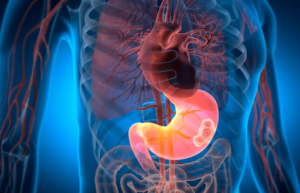 Stomach cancer, also known as gastric cancer, develops in the lining of the stomach. It often grows slowly over time and may not show symptoms in early stages, making early detection crucial. It occurs when abnormal cells within the stomach begin to grow uncontrollably due to genetic mutations in their DNA, eventually forming a malignant (cancerous) tumor.
Stomach Cancer Symptoms
Recognizing early stomach cancer symptoms can help in timely diagnosis. Common symptoms include:
- Persistent stomach pain or discomfort
- Indigestion or heartburn
- Loss of appetite
- Unexplained weight loss
- Nausea or vomiting
- Difficulty swallowing
- Feeling full after eating small amounts
If you experience these symptoms, consult a stomach cancer specialist in Delhi immediately.
Stomach Cancer Causes
Understanding stomach cancer causes can help in prevention and early detection. Key risk factors include:
- Helicobacter pylori (H. pylori) infection
- Smoking and alcohol consumption
- Poor diet (high in smoked or salty foods)
- Family history of gastric cancer
- Chronic gastritis
- Obesity
Stomach Cancer Treatment Options
At CUSP Surgeons, we offer a full range of stomach cancer treatment options based on the stage and condition of the patient:
- Surgery
The most effective treatment in many cases. Our expert stomach cancer surgeons in Delhi perform:
- Partial gastrectomy (removal of part of the stomach)
- Total gastrectomy (removal of entire stomach)
- Lymph node removal
- Chemotherapy
Used before or after surgery to shrink tumors or eliminate remaining cancer cells.
- Radiation Therapy
Often combined with chemotherapy for better outcomes.
- Targeted Therapy & Immunotherapy
Advanced treatments that focus on cancer-specific cells with fewer side effects.
Stomach Cancer Surgery in Delhi
We specialize in stomach cancer surgery in Delhi using:
- Minimally invasive laparoscopic techniques
- Enhanced recovery protocols
Gastric Cancer Treatment in Delhi – Why Choose Us?
- Highly experienced stomach cancer specialists in Delhi
- Advanced surgical technology
- Personalized treatment plans
- Multidisciplinary cancer care team
- Patient-centered approach
Frequently Asked Questions
